


Venezuelan National Pilgrimage Begins New Phase at Zulia State
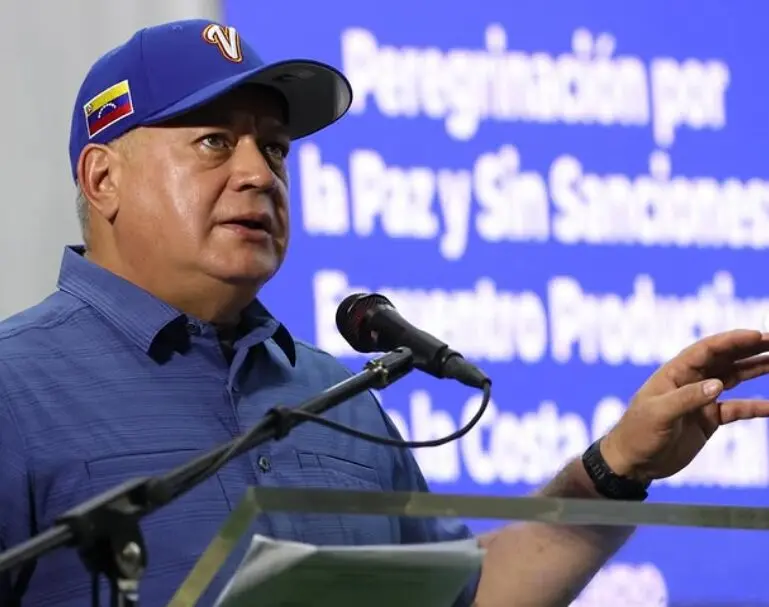
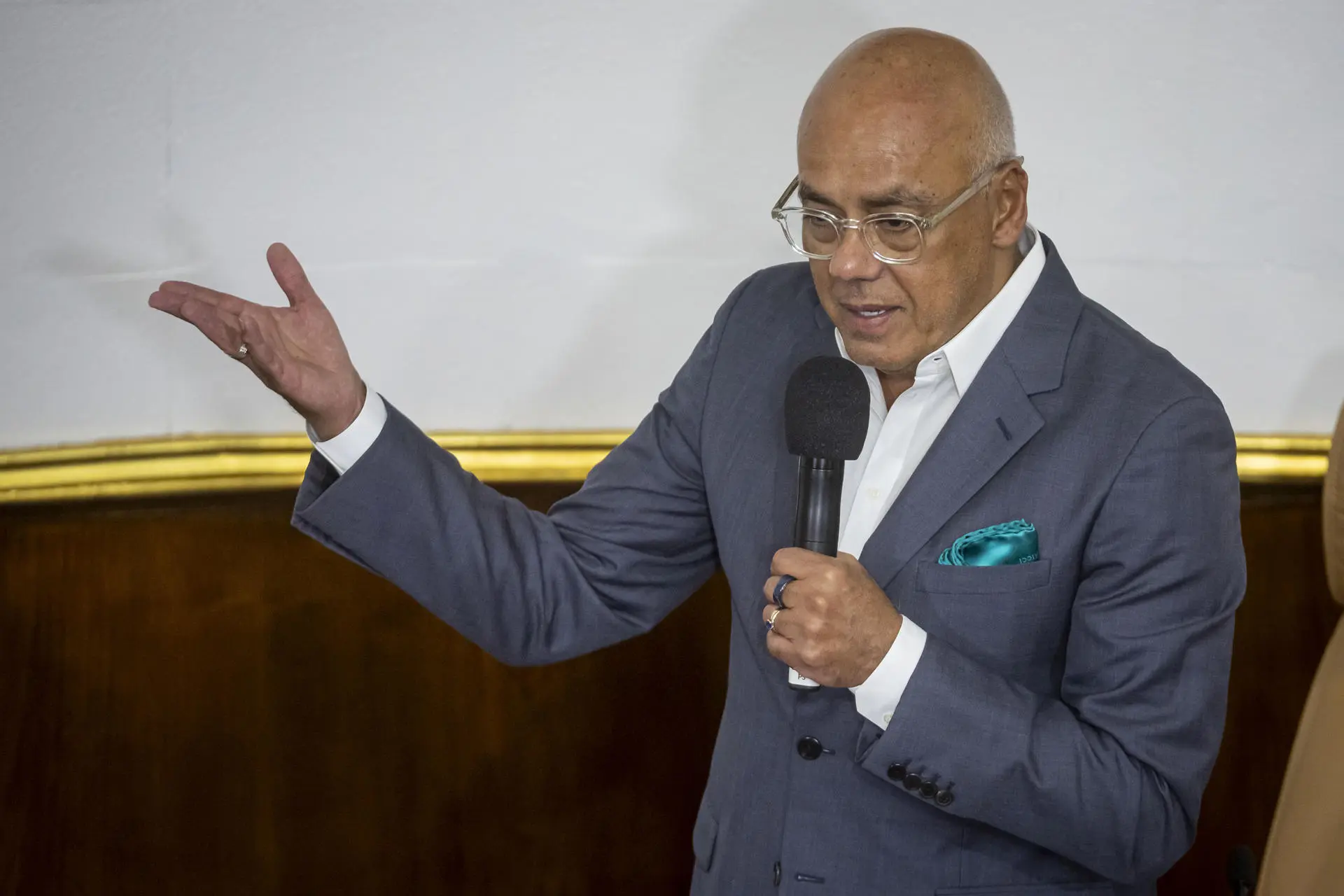
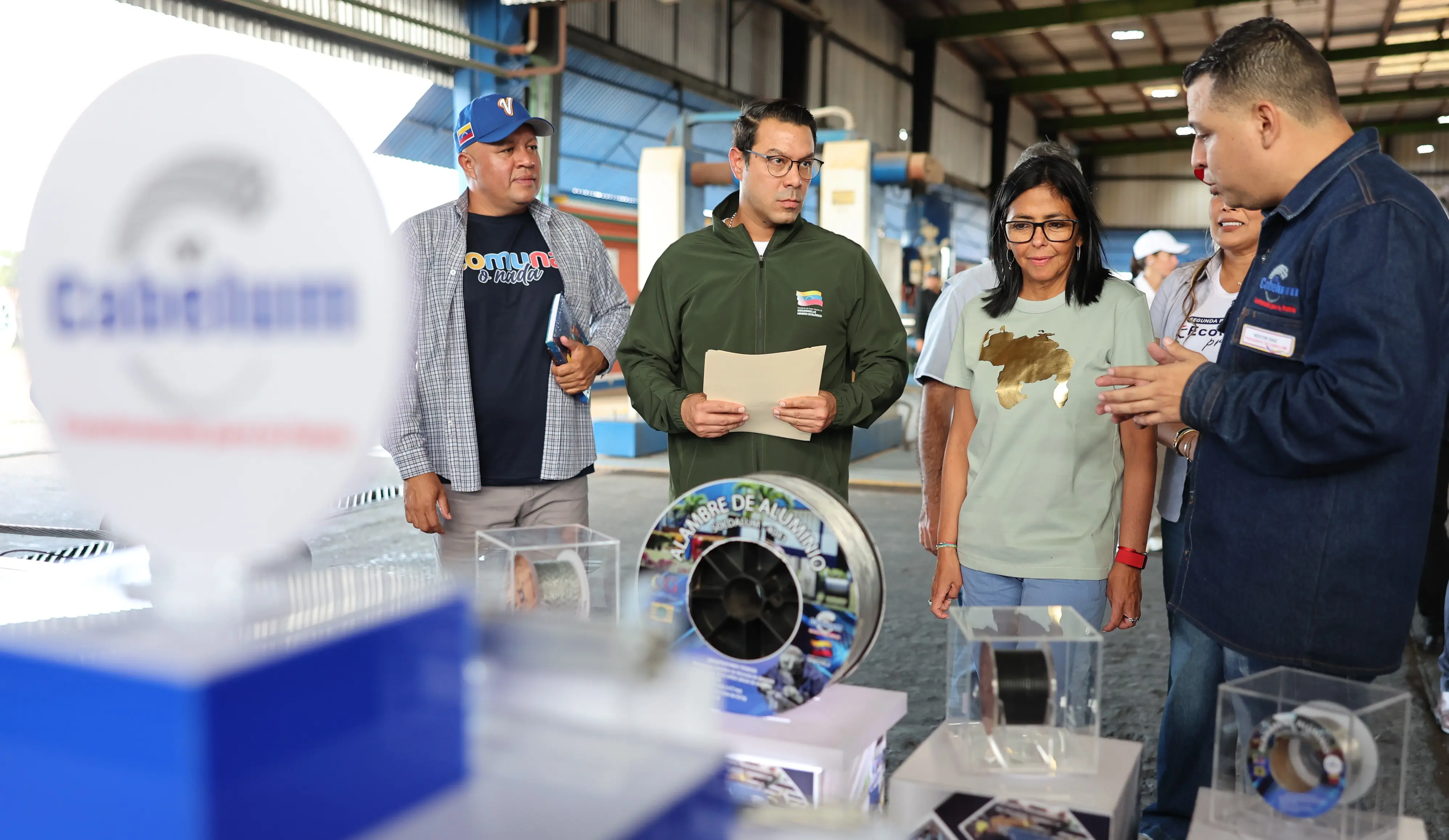
During the meeting, representatives from various social, economic and community sectors participated in a space for the exchange of proposals and approaches related to the impact of coercive measures on Venezuela. Photo: X/@minjusticia_ve.
May 19, 2026 Hour: 7:51 pm
🔗 Comparte este artículo
This Tuesday, Venezuela’s National Pilgrimage for a Sanctions-Free and Peaceful Nation commenced its second phase in Cabimas, Zulia.
The event in Cabimas specifically targeted the vital communities and industries located along the Eastern Coast of Lake Maracaibo, a region of immense strategic importance to Venezuela’s national economy and social fabric.
Beyond this critical demand, the pilgrimage aims to significantly strengthen direct engagement and contact with local communities and the diverse productive sectors across the country.
RELATED: Venezuela Strengthens National Economy Amid External Aggression
The significant event was led by the Vice President of Sectoral Security and Peace, Diosdado Cabello, who was joined by the Zulia Governor, Luis Caldera. The gathering saw the active participation of representatives from various social, economic and community sectors hailing from the Eastern Coast of Lake Maracaibo.
This diverse participation created a robust platform specifically designed for the exchange of proposals and detailed discussions concerning the profound and multifaceted impact of the coercive measures on Venezuela. The dialogue facilitated during the event allowed for a comprehensive understanding of how these sanctions affect the daily lives of citizens and the operational capabilities of local businesses and industries.
Cabello initiated his address by emphatically highlighting the profound strategic importance of Zulia state to the national economy, underscoring that the region not only constitutes a fundamental axis in Venezuela’s crucial oil production but also stands as the nation’s principal producer of both meat and milk.
Consequently, Cabello asserted that the economic dynamism and productivity emanating from Zulia directly reverberate across the entire nation, influencing national food security and energy supplies.
Community Dialogue Focus
Regarding this second stage of the national campaign, Diosdado Cabello explicitly affirmed that the paramount objective will be to directly travel into the communes and communities, amid the demand of the immediate lifting of the over 1,000 coercive measures that continue to be actively enforced against the South American nation.
Cabello additionally emphasized that this specific phase will prioritize substantive dialogue with the people in every territory visited, ensuring that local voices and perspectives are at the forefront of the movement’s agenda.
In his declarations, he firmly asserted that the sweeping economic restrictions indiscriminately affect the entire population, extending far beyond merely targeting governmental officials who have been blocked. He also pointed out that another significant national consensus is the profound desire to live in peace, characterized by stability and tranquility for all families.
Cabello explained that, during the initial phase of the pilgrimage, comprehensive documents were meticulously prepared at each stop along the route. These documents systematically cataloged the principal problems identified and the various proposals put forth by citizens, encompassing both positive suggestions and critical feedback. The overarching purpose of this exhaustive data collection was to transform these community-level insights into concrete lines of action for governmental policies.